Heel moving toward the handler's line
Forward movement matters because it reveals whether the dog understands where heel position actually lives.
Patriot K9 AI Trainer
Patriot K9 AI creates personalized leash-training sessions based on your dog's behavior, experience, distractions, and progress.
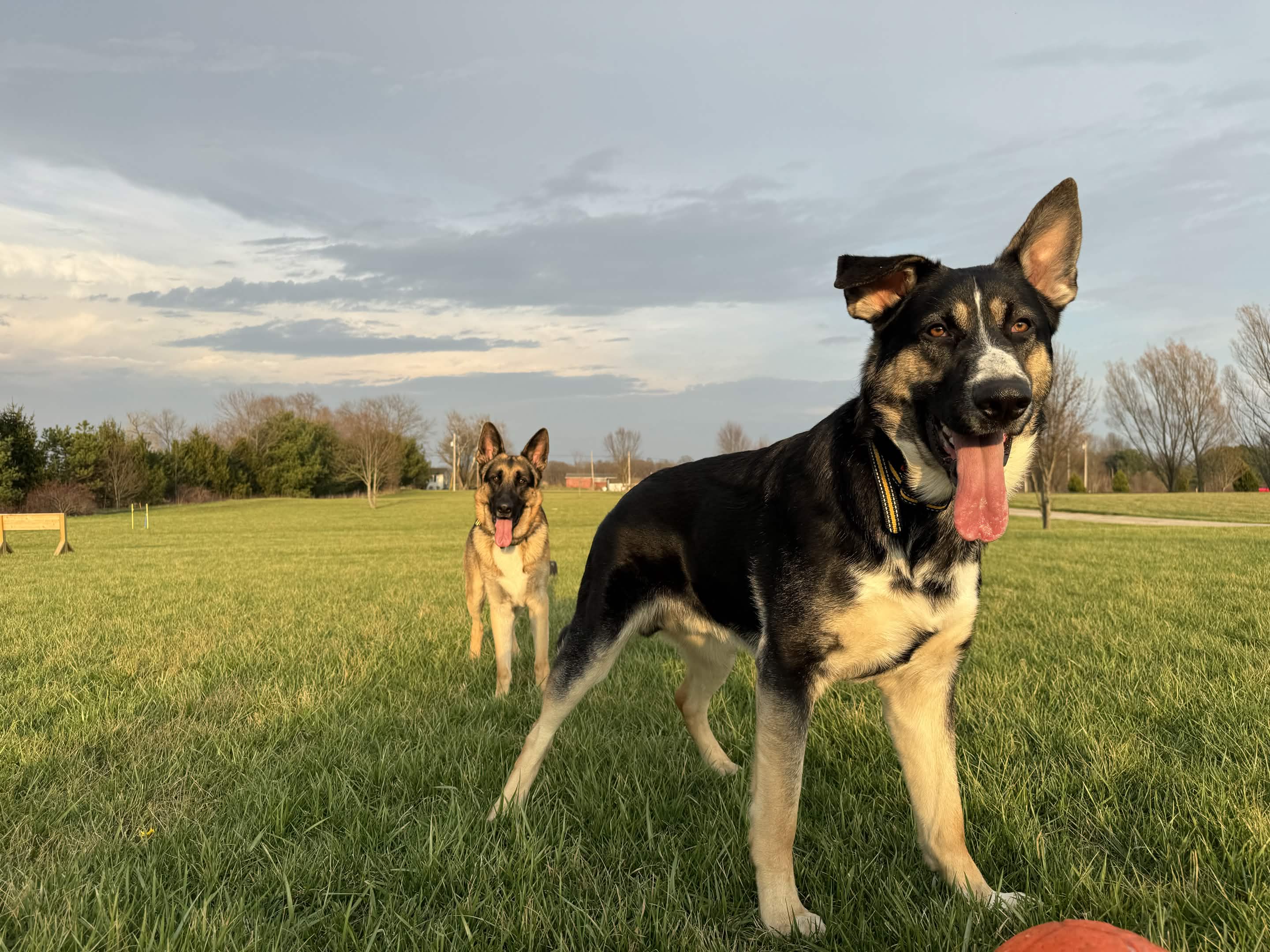
Common Leash Problems
Pulling, forging, lagging, and distraction problems usually come from weak engagement and unclear walking standards rather than a dog that is simply excited.
How The Training Progresses
Step 1
Build engagement
Step 2
Establish leash communication
Step 3
Reward the correct position
Step 4
Add turns and pace changes
Step 5
Introduce distractions
Step 6
Practice in real environments
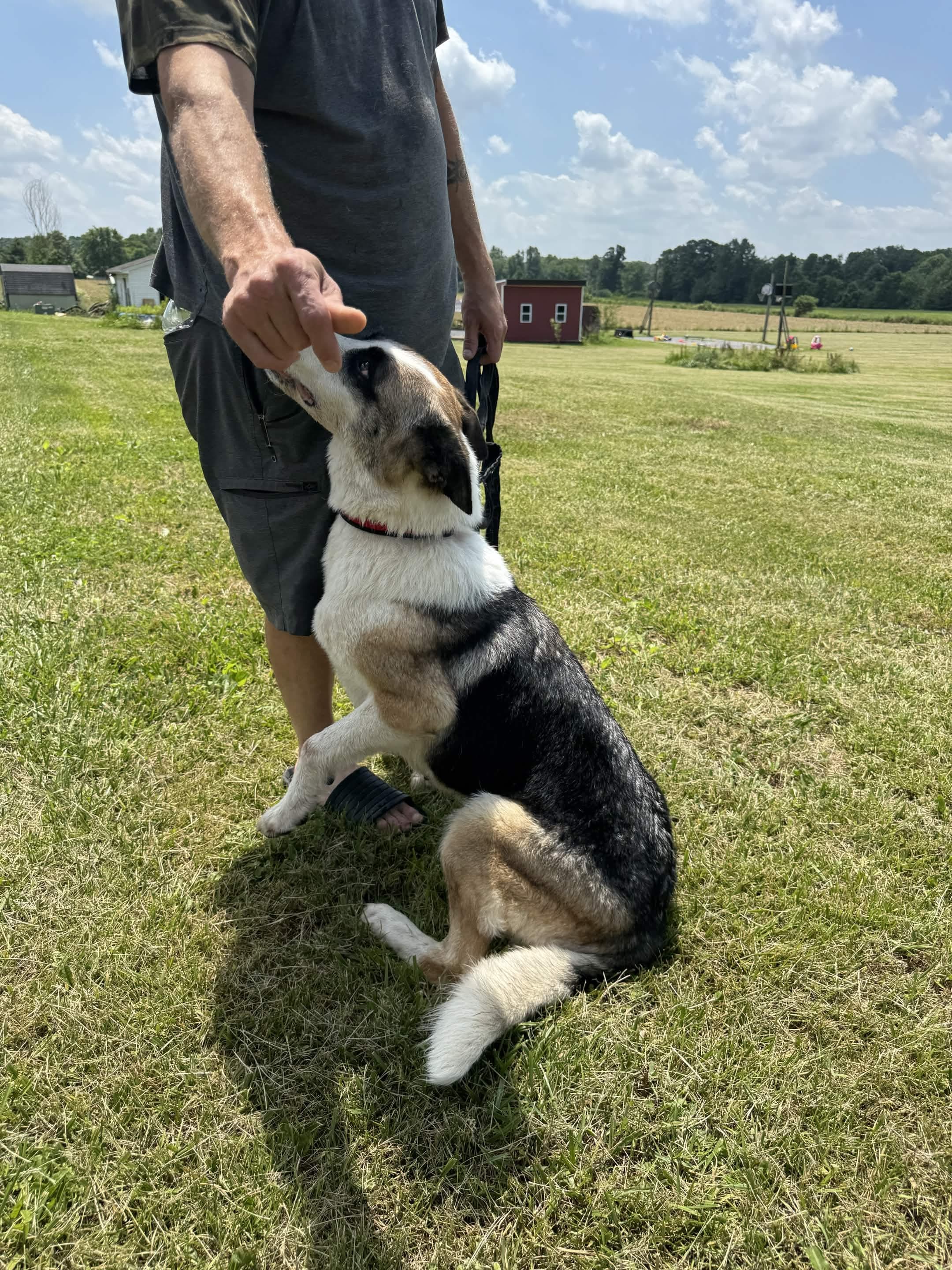
Field Heel Demonstration
These clips show structured heel work away from the house, where the dog has to stay with the handler instead of drifting into its own plan.
Forward movement matters because it reveals whether the dog understands where heel position actually lives.
Direction changes and movement away from the handler expose forging, drifting, and disconnect immediately.
Heel-To-Sit Progression
A clean heel-to-sit transition shows whether the dog can stay with the handler through motion and settle into position without wandering, forging, or mentally checking out.
That is where leash communication becomes visible. The dog is not just moving next to you. The dog is learning how to follow, stop, and stay accountable through the whole rep.
Real-World Distractions
Good leash training progresses from low-pressure environments into realistic ones with people, carts, noise, narrow aisles, and changing surfaces.
The point is not to rush an unprepared dog into public. The point is to prove the standard holds once the dog is ready for more pressure.
Outcome-Focused Benefits
Walk without being dragged
Regain your dog's attention
Move calmly through distractions
Build a consistent heel position
Safety Note
Dogs showing serious aggression, bite risk, or severe reactivity should be evaluated by a qualified in-person professional before public training expectations are increased.
Start With Structure
Create your dog's profile and receive a first training session based on the behavior you are seeing now.